



Short Overview
The US-Iran conflict has entered a dangerous phase as both sides contest control of the Strait of Hormuz. Fresh strikes, slower tanker traffic and uncertain ceasefire talks raise concerns about oil prices, shipping security and regional stability. Donald Trump’s blockade announcement, Iran’s response, shipping disruptions, oil-price risks and the fragile ceasefire talks. This detailed guide explains why the strategic waterway matters to global energy supplies, how Gulf countries may be affected, what slower tanker traffic means for consumers and which developments could shape the next phase of the conflict. It also separates confirmed information from disputed wartime claims, helping readers understand a fast-changing story without confusion. Follow the key military, economic and diplomatic developments as of July 13, 2026, and learn why the US-Iran conflict could influence fuel costs, trade routes, regional security and everyday household expenses worldwide in the coming weeks.
What Happened in the Latest US-Iran Escalation?
The US-Iran war entered another tense stage on July 13, 2026. The United States and Iran both claimed authority over the Strait of Hormuz after a fresh exchange of attacks across Iran and the wider Gulf region.
US Central Command said it had completed a new wave of strikes against Iranian military targets. It reported hitting dozens of sites, including air-defence systems, coastal radar locations, missile and drone capabilities, and small boats. American officials said the operation was intended to reduce Iran’s ability to threaten commercial vessels moving through the strait.
Iran said it had launched retaliatory missile and drone operations against military facilities linked to the United States. Alerts and interceptions were reported in several Gulf countries. Because this remains an active conflict, some claims about damage, casualties and military success have not been independently confirmed. Readers should separate verified events from statements made by the countries involved.
Why Is the Strait of Hormuz So Important?
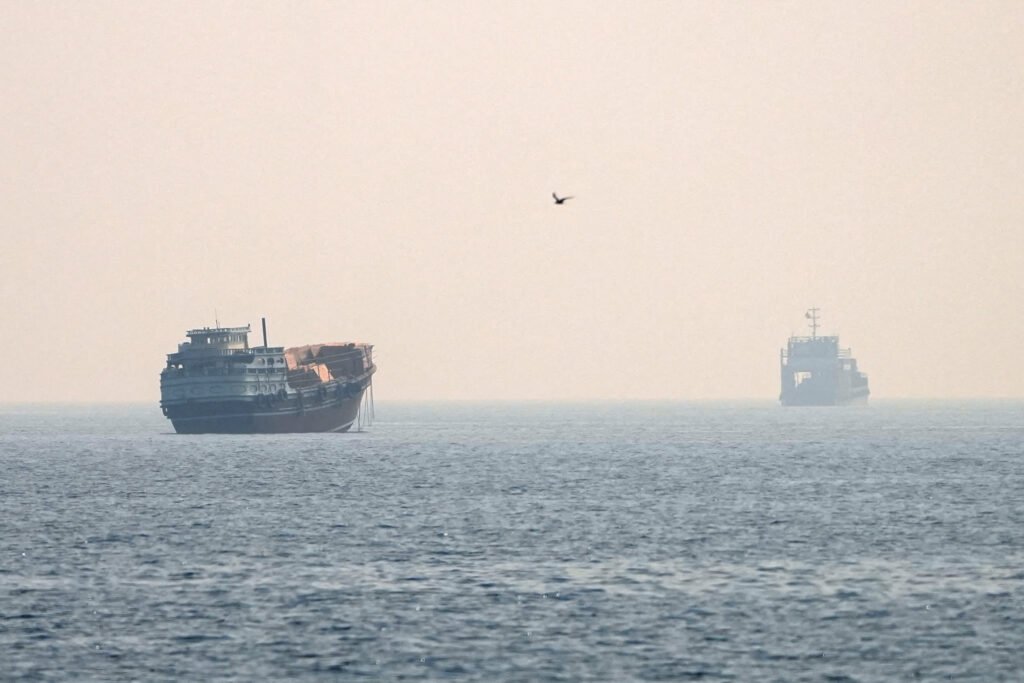
The Strait of Hormuz is a narrow waterway between Iran and Oman. It connects the Persian Gulf with the Gulf of Oman and the Arabian Sea. Oil and natural gas from major exporters such as Saudi Arabia, the United Arab Emirates, Kuwait, Iraq and Qatar often travel through this route.
Before the present conflict, about one-fifth of the world’s oil and gas trade passed through the strait. A long closure could affect energy supply, shipping insurance, freight costs, fuel prices and inflation across many countries. US Energy Information Administration data previously estimated that oil flows through Hormuz were equal to roughly 20 percent of worldwide petroleum-liquids consumption.
Asian economies are especially exposed because they buy large volumes of Gulf energy. India, China, Japan and South Korea closely watch every development in Hormuz. Even when ships continue moving, the fear of attack can cause delays, route changes and higher risk charges.
What Did Donald Trump Announce?
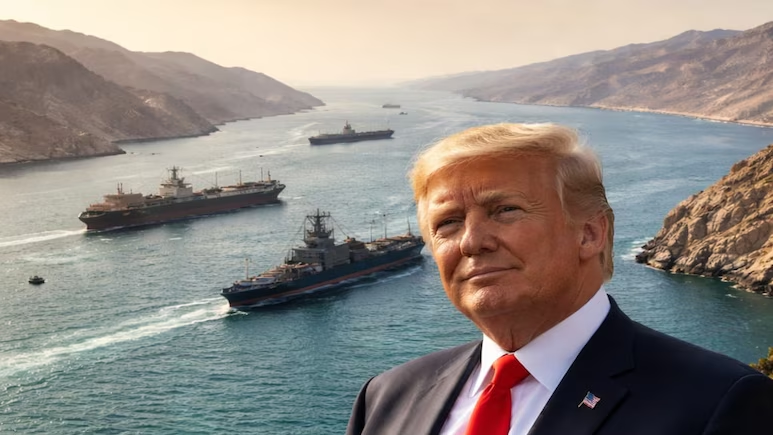
US President Donald Trump said the United States was reinstating a blockade focused on Iranian shipping. He also said America would become the “guardian” of the Strait of Hormuz and seek a 20 percent payment on eligible cargo to cover security costs.
The statement created immediate legal and commercial questions. It was not clear how the fee would be collected, which ships would have to pay, how other governments would respond or whether the plan could be enforced without further fighting.
Trump said non-Iranian commercial ships would receive fair access. Iran rejected any US role in managing the strait and warned against military interference. Both sides are therefore presenting themselves as the authority responsible for deciding how vessels can move through the same strategic passage.
How Has Iran Responded?
Iran says it has the right to manage traffic through the Strait of Hormuz and protect its national security. Iranian officials accuse Washington of breaking previous understandings and using military pressure to weaken Tehran’s position.
Iranian forces have claimed that they stopped vessels using routes they considered unauthorised. They have also said that their missile and drone attacks targeted US-linked military facilities in the Gulf. Some of these claims remain disputed or unverified.
The main danger is miscalculation. A missile landing in a civilian area, an attack on the wrong vessel or a confrontation between naval forces could pull additional countries into a conflict they are trying to avoid.
What Is Happening to Ships and Oil Prices?
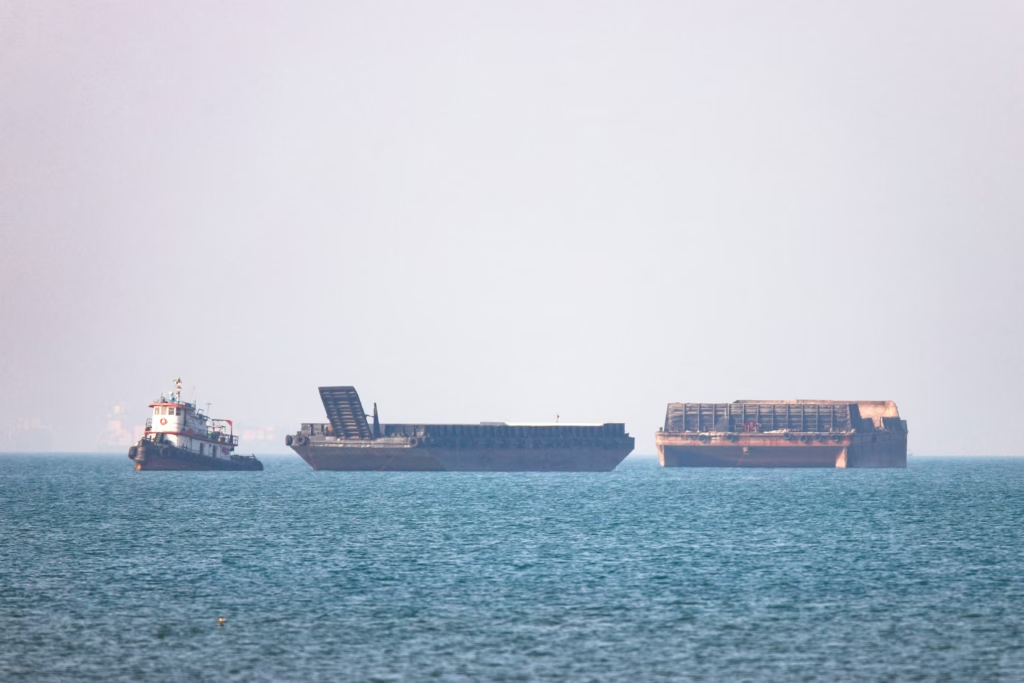
Commercial traffic has not fully stopped, but it has slowed sharply. Shipping data reviewed by Reuters showed tanker movement falling to its lowest level in two months. Only six vessels were recorded crossing the strait on Sunday, although the real number may be higher because some ships reportedly switched off their public tracking systems.
When vessels disable tracking, governments, shipping companies and insurers have less information about conditions at sea. That uncertainty can raise costs even when a route remains partly open.
Oil prices rose as traders reacted to renewed fighting and the risk of a prolonged disruption. Energy prices depend not only on production but also on safe transport. Higher insurance premiums, security expenses and delays can make oil and gas more expensive before an actual shortage appears.
Consumers may eventually feel the impact through petrol, diesel, air travel, electricity and the cost of transported goods. The size of the effect will depend on how long the disruption lasts and whether producers can use pipelines, reserves or alternative routes.
Why Are the Ceasefire Talks in Trouble?
The latest fighting threatens an interim agreement reached in June 2026. The 14-point Islamabad Memorandum of Understanding was intended to reduce hostilities, reopen the Strait of Hormuz to commercial vessels and create time for negotiations on a permanent settlement.
The agreement included a 60-day period for safe passage without charges. However, Washington and Tehran interpret key parts differently. Iran sees the wording as recognition of its role in managing the waterway. The United States and Gulf governments say Iran was only expected to support safe and unrestricted passage.
Disputes also remain over oil sanctions, frozen Iranian assets, regional military action and Iran’s nuclear programme. The memorandum reduced immediate tensions but did not resolve the hardest issues.
Pakistan, Qatar and Oman have been connected to mediation efforts. Any renewed deal would need clearer language, a trusted system for investigating violations and practical rules that shipping companies can follow.
How Could Gulf Countries and Civilians Be Affected?
Gulf states face pressure from both sides. Several host American military facilities, yet they also share geography, trade links and energy infrastructure with Iran. Most want to avoid becoming direct participants in the war.
Missile warnings, drone incidents and air-defence activity can disrupt airports, ports and businesses even when major damage is avoided. Airlines may change routes, shipping firms may delay departures and international companies may move employees away from risk areas.
Civilians face the heaviest burden. Families can experience fear, displacement, damaged infrastructure, power interruptions and limited access to reliable information. Outside the region, rising fuel and freight costs can increase food prices and household expenses.
Accurate reporting is therefore essential. Responsible coverage should clearly identify confirmed events, official claims and analysis instead of presenting every wartime statement as fact.
What Should the World Watch Next?
The first issue is commercial traffic. A steady rise in tanker crossings would reduce immediate pressure. Another attack on a merchant vessel could cause operators to stop sailing and insurers to raise rates again.
The second issue is Trump’s proposed 20 percent cargo charge. Shipping companies, Gulf governments and major energy importers will want to know whether it becomes an official policy, how it would work and whether it complies with international rules.
The third issue is diplomacy. A meeting between American and Iranian negotiators, supported by mediators, could help restore the June agreement. Without talks, military action may continue to replace negotiation.
Oil prices, tanker-insurance rates and shipping data will also be important. These indicators may provide a clearer picture of real-world risk than political speeches alone.
Conclusion
The latest US-Iran war updates show that the Strait of Hormuz is now the centre of a military, economic and diplomatic struggle. The United States says it is protecting international shipping, while Iran says it has the right to control and secure the waterway. Traffic continues at reduced levels, oil markets remain sensitive and the June ceasefire is under severe pressure.
The most important development will be whether ships can move safely, regional countries avoid deeper involvement and negotiators return to a workable agreement. Until then, readers should rely on verified reporting, question unconfirmed claims and remember that the effects of this conflict reach far beyond the Middle East.