



Introduction
Karnataka’s demand for a 365 days employment guarantee has become an important topic in rural development discussions. At a recent all-India Rural Development and Panchayat Raj ministers’ meeting, Karnataka reportedly urged the Central Government to provide employment support throughout the year instead of limiting rural job support to a shorter period. The state also asked for changes in the financial sharing pattern between the Centre and the state, along with the release of pending rural development funds.
This issue is not only about government policy. It is directly connected to the daily life of rural workers, small farmers, women labourers, landless families, gram panchayats, and village-level development. For many rural households, employment guarantee schemes are not just a source of income. They are a safety net during difficult seasons, crop failures, low agricultural work, climate stress, and financial uncertainty.
India’s rural economy still depends heavily on seasonal work. Many families get employment during sowing, harvesting, road work, water conservation projects, construction of public assets, and panchayat-level development activities. But when work is not available, income becomes irregular. This is why Karnataka’s demand for a full-year rural employment guarantee has gained attention.
What is Karnataka’s 365 Days Employment Guarantee Demand?
Karnataka has asked the Centre to extend rural employment guarantee support to 365 days a year. In simple words, the state wants rural households to have access to work throughout the year when they need it. The demand comes at a time when discussions are happening around rural job schemes, Centre-state funding, and the role of panchayats in providing livelihood support.
Under the existing Mahatma Gandhi National Rural Employment Guarantee Act framework, the official vision is to provide at least 100 days of guaranteed wage employment in a financial year to every rural household whose adult members are willing to do unskilled manual work. Karnataka’s proposal goes beyond this basic employment window and asks for a stronger model that can support rural workers during the entire year.
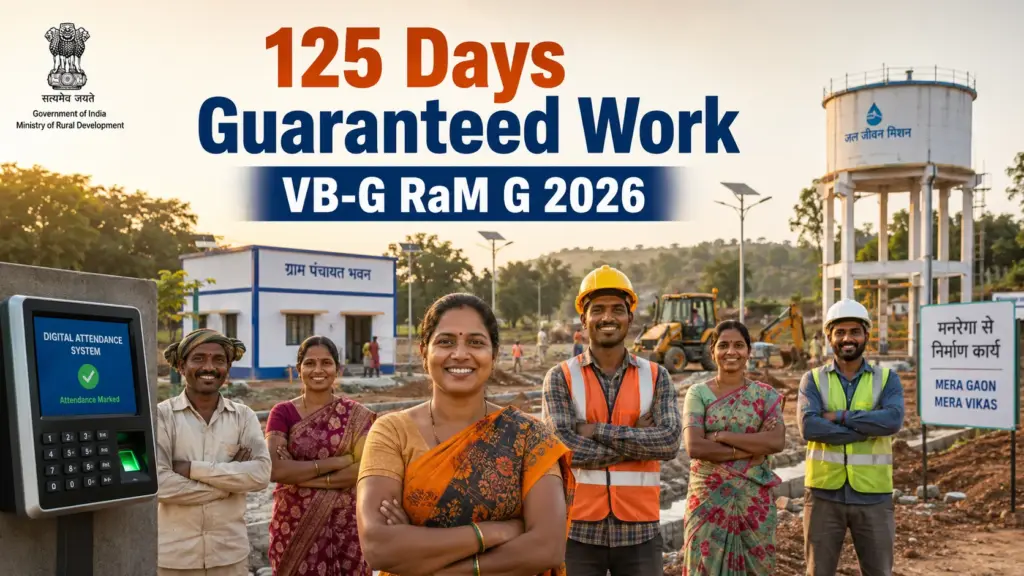
The idea behind this demand is simple. Rural poverty and unemployment do not exist only for 100 days. Many workers face income gaps for several months. Agricultural work is also becoming less predictable because of changing rainfall patterns, mechanisation, market pressure, and migration. If rural employment support becomes more stable, families may get better income protection and villages may see more local development.
Why Rural Employment Guarantee Matters Today
Rural employment guarantee schemes are important because they provide work close to home. This matters especially for poor families who cannot always migrate to cities for jobs. When work is available within or near the village, people can earn money without leaving their families, farms, livestock, and local responsibilities.
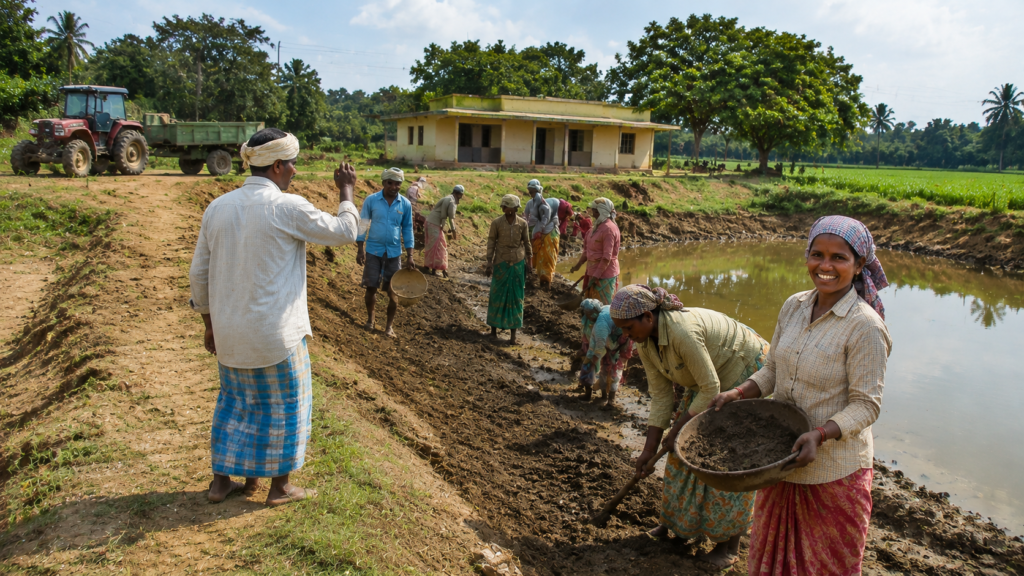
Employment guarantee work also helps create useful public assets. Rural job schemes often support activities like water conservation, pond development, rural roads, soil protection, land improvement, plantation, sanitation work, and community infrastructure. These projects do not only give wages to workers. They also improve the village environment and support long-term rural development.
For women, rural employment schemes can be even more important. Many women may not be able to travel far for work because of family responsibilities, safety concerns, and social barriers. When work is available through gram panchayats, women can participate more easily and contribute to household income.
The Ministry of Rural Development describes MGNREGA as a scheme that provides social protection to vulnerable rural people, increases livelihood security, and supports the creation of durable assets. This is why any major change in rural employment policy can affect millions of households across India.
How the Current Rural Job System Works
The current rural employment guarantee system is based on the principle that rural households should have access to wage work when adult members are willing to do unskilled manual labour. The scheme is implemented through local bodies and gram panchayats, making it closely connected to village-level planning.
A rural worker usually needs a job card to access employment under the scheme. Work is generally provided for public projects that benefit the local area. These projects can include water harvesting, road repair, drainage, land development, drought-proofing, and other rural asset-building works.
The official MGNREGA platform tracks several important details, including job cards, active workers, person-days generated, assets created, and households benefited. The national MGNREGA dashboard showed more than 2.69 lakh gram panchayats listed as of June 29, 2026, showing the large scale of the rural employment system.
This large network is why changes in employment guarantee rules matter so much. Even a small policy shift can affect lakhs of villages, crores of workers, and thousands of gram panchayats.
Why Karnataka Wants Year-Round Employment Support
Karnataka’s demand for year-round employment support appears to be linked to rural livelihood concerns. The state has argued that rural workers need continuous employment support instead of limited seasonal support. It has also raised concerns about restrictions during agricultural seasons and the financial pressure on states under new funding patterns. A related report said Karnataka decided to implement the new rural job framework from July 1 while still raising objections to certain provisions, including a proposed 60-day work restriction during the agricultural season.
The reason is practical. Many rural families no longer get enough farm work throughout the year. Modern farm machines have reduced manual labour demand in some areas. Rainfall uncertainty also affects sowing and harvesting. When agriculture does not provide enough days of work, families need another source of income.
A 365-day employment guarantee does not mean every person will work every single day. It means the system should remain open and available throughout the year so that workers can demand work when they need it. This can reduce distress migration, seasonal unemployment, and rural debt.
What It Means for Rural Workers and Families
If rural employment support becomes available throughout the year, the biggest benefit may be income stability. Rural families often struggle when work stops suddenly. Daily wage workers usually do not have large savings. Even a few weeks without income can affect food, school fees, healthcare, loan repayments, and household expenses.
A stronger employment guarantee can help families plan better. It can provide support during lean agricultural months. It can also give workers bargaining power because they are not forced to accept extremely low wages from private employers during desperate times.
For landless labourers, this kind of support is even more important. They do not have land income and often depend entirely on daily wage work. When the village economy slows down, landless workers are the first to suffer. A full-year job support model can help protect them from deep financial insecurity.
The demand can also help reduce migration pressure. Many workers migrate to cities because they do not find enough work in villages. Migration is not always bad, but distress migration can create problems. Workers may end up in unsafe jobs, poor housing, irregular payments, and difficult living conditions. If villages provide better income opportunities, people can choose migration instead of being forced into it.
Impact on Gram Panchayats and Village Development
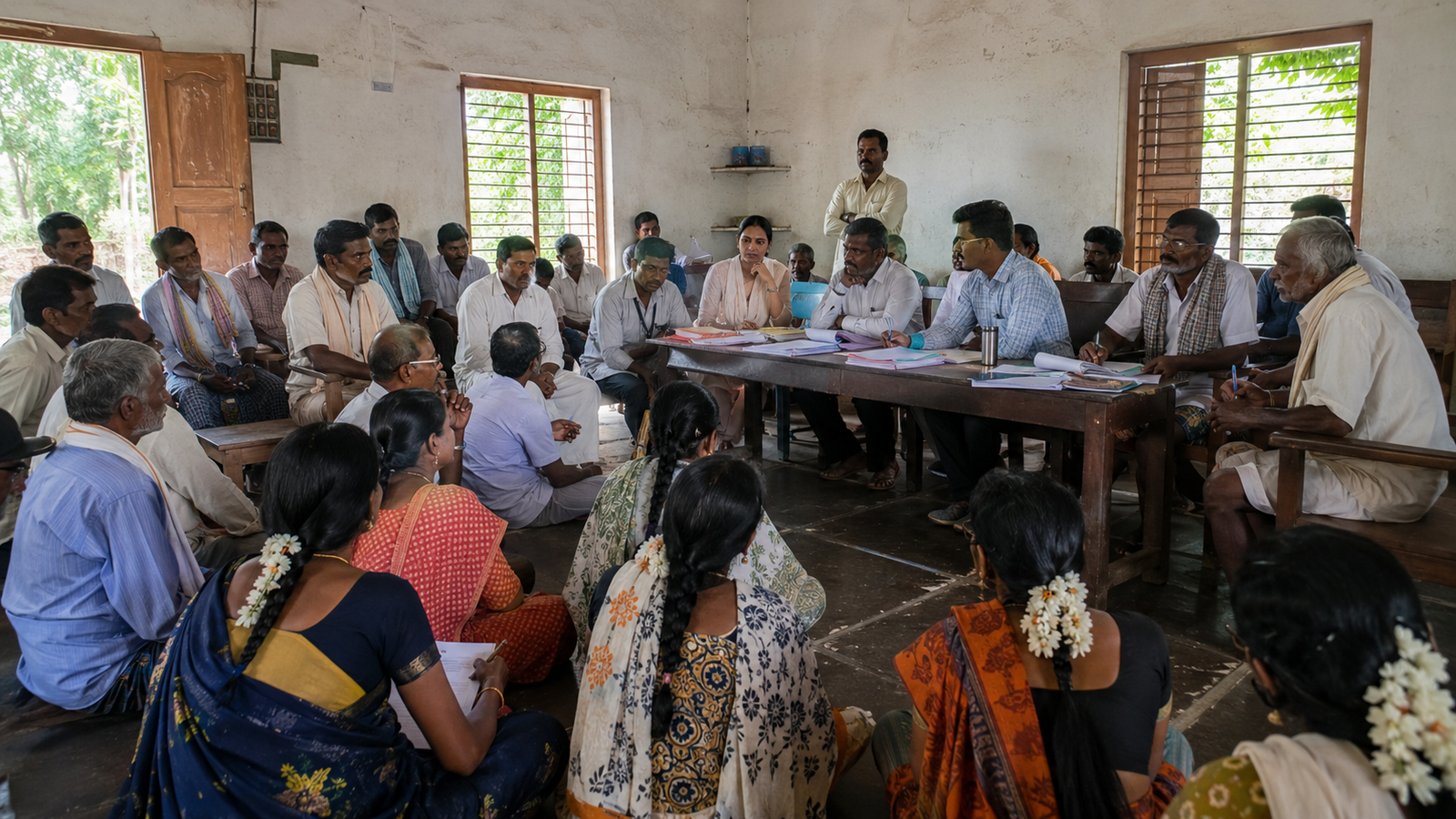
Gram panchayats are at the heart of rural employment planning. They identify local needs, prepare work plans, support worker registration, and monitor development projects. If employment support becomes more active throughout the year, panchayats will need better planning, stronger fund flow, and more technical support.
This can also create an opportunity. With more workdays available, villages can complete more useful projects. For example, panchayats can improve water bodies, repair village roads, build drainage systems, develop community assets, strengthen soil and water conservation, and support climate-resilient rural infrastructure.
Karnataka’s RDPR minister Eshwar Khandre also reportedly asked the Centre to release pending funds worth Rs 2,186 crore as prescribed by the 15th Finance Commission. This shows that employment guarantee cannot work properly without timely funding. Panchayats need funds to plan and execute projects. If funds are delayed, workers may not get timely work, and village development may slow down.
The Union Government has stated that Fifteenth Finance Commission grants are released to eligible rural local bodies such as gram panchayats, block panchayats, and district panchayats for rural development needs. This makes timely fund release an important part of local governance.
Funding Concerns Between Centre and State
One of the biggest questions around rural employment expansion is funding. A 365-day employment guarantee can provide major social benefits, but it also needs large financial support. States may find it difficult to carry the burden alone, especially when rural development, health, education, roads, drinking water, and welfare schemes already require huge spending.
Karnataka has asked for a change in the financial sharing arrangement between the Centre and the state. The reference report says the state sought a return to the earlier financial sharing model instead of the newer pattern being discussed. The larger point is that Karnataka wants the Centre to take a stronger financial role so that states are not overburdened.
This debate is important because rural employment is a national livelihood issue. If the scheme supports workers across India, then financial responsibility also needs to be balanced. A strong funding model can ensure timely wages, better project planning, and smoother implementation.
Without stable funding, even a good employment guarantee policy can fail on the ground. Workers may demand work but not get it. Panchayats may prepare projects but not have money to execute them. Wage payments may get delayed. This is why the funding question is not just administrative; it directly affects rural families.
Why This Demand Can Shape Rural India’s Future
Karnataka’s demand can influence a larger national conversation. Rural India is changing. Agriculture is becoming more technology-driven. Climate change is creating new risks. Young people are moving to cities. Villages need better infrastructure, better water security, better roads, and more stable local employment.
A stronger rural employment guarantee can become a tool for both livelihood protection and village development. If designed well, it can help workers earn income while also creating useful assets for the community.
However, the success of such a model will depend on four things. First, workers must get work when they demand it. Second, wages must be paid on time. Third, panchayats must receive funds and technical support. Fourth, the projects must create real value for the village, not just temporary employment.
Karnataka’s proposal has opened a serious policy discussion. It asks a simple but powerful question: should rural employment support be treated as a limited seasonal safety net, or should it become a stronger year-round livelihood guarantee?
Conclusion
Karnataka’s 365 days employment guarantee demand is more than a political statement. It is a reflection of the changing needs of rural India. Rural workers need steady income. Farmers need support during uncertain seasons. Women need safe local work opportunities. Panchayats need timely funds to build better villages.
The current rural employment system already plays an important role in providing livelihood security to millions of households. But Karnataka’s demand suggests that rural job support may need to become stronger, more flexible, and more responsive to real village conditions.
If the Centre and states can create a fair funding model, ensure timely wage payments, and empower gram panchayats, a stronger employment guarantee system can help reduce rural poverty, protect families from income shocks, and build better village infrastructure.
In the end, rural employment is not only about wages. It is about dignity, stability, and the right of rural families to live with security in their own villages.