

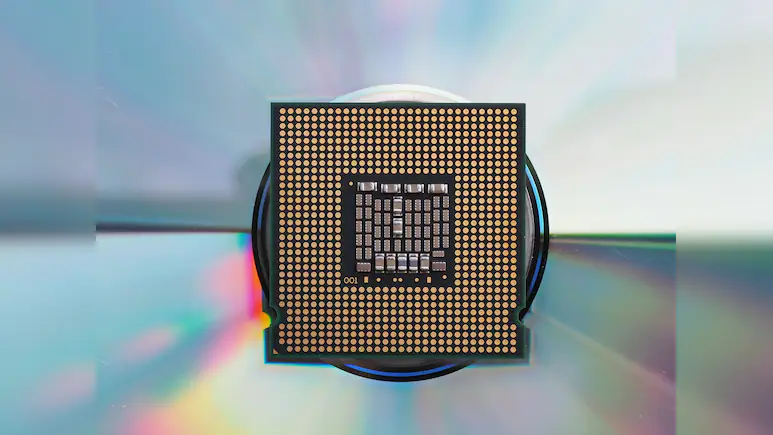


India is moving into a very important phase of its technology journey. For many years, India has been known for software, IT services, digital payments, mobile apps, and a strong pool of engineering talent. But one area where India still wants to build deeper strength is semiconductor manufacturing. That is why India Semiconductor Mission 2.0 is getting so much attention.
According to reports, the Finance Ministry’s Expenditure Finance Committee has cleared a proposed ₹1.25 lakh crore outlay for India Semiconductor Mission 2.0. The proposal is expected to be placed before the Union Cabinet for final approval. This is a major development because the amount is higher than the ₹76,000 crore incentive framework linked with the first phase of the India Semiconductor Mission.
In simple words, India wants to make more chips, design more chips, package more chips, and build more parts of the semiconductor supply chain inside the country. This is not just about factories. It is about creating a full ecosystem where raw materials, equipment, design, fabrication, packaging, testing, skilled workers, startups, and large companies can grow together.
Semiconductors are tiny chips, but their role is huge. They are used in smartphones, laptops, cars, electric vehicles, telecom networks, satellites, defence systems, washing machines, medical devices, AI servers, and almost every modern electronic product. Without chips, today’s digital world cannot run smoothly. The Press Information Bureau has also described semiconductors as the backbone of modern electronics, including computers, mobile devices, telecom, automobiles, defence, and artificial intelligence.
This is why India Semiconductor Mission 2.0 matters. It is not only an industrial policy. It is connected to national security, digital growth, manufacturing, jobs, exports, and technology independence.
What Is India Semiconductor Mission 2.0?
India Semiconductor Mission 2.0 is the next phase of India’s plan to build a strong semiconductor ecosystem. The first phase helped India attract investments in semiconductor fabrication, assembly, testing, packaging, and design. Now the second phase is expected to go deeper.
The government’s official backgrounder says ISM 2.0 was announced in Union Budget 2026–27 and is focused on producing semiconductor equipment and materials in India, designing full-stack Indian semiconductor intellectual property, and strengthening domestic and global supply chains. It also mentions a budget provision of ₹1,000 crore for FY 2026–27 with emphasis on industry-led research and training centres.
That means the mission is not only about setting up chip factories. It is also about building the support system around those factories. A semiconductor plant needs highly specialised machines, cleanrooms, chemicals, gases, wafers, design tools, engineers, testing units, and supply partners. If India wants to become a serious player in chip manufacturing, it needs all these parts to work together.
This is where ISM 2.0 becomes important. The mission can help India move from being a large consumer of chips to becoming a maker, designer, and global supplier of semiconductor products.
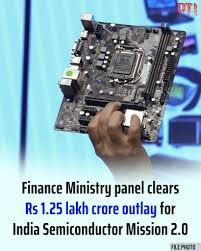
Why the ₹1.25 Lakh Crore Push Is Important
The proposed ₹1.25 lakh crore outlay is important because semiconductor manufacturing is expensive. Building a chip fab is not like building a normal factory. It needs advanced technology, very high capital investment, reliable power, clean water, skilled talent, global partnerships, and long-term government support.
Many countries are competing to attract semiconductor companies. The United States, China, Japan, South Korea, Taiwan, and the European Union have all taken strong steps to strengthen their chip industries. India is entering this race with a clear goal: to become a reliable semiconductor destination for the world.
The reported ₹1.25 lakh crore outlay for India Semiconductor Mission 2.0 can help attract more companies, support new projects, reduce risks for investors, and create confidence among global semiconductor players. It can also help India build local capabilities in chip design, manufacturing equipment, materials, packaging, and testing.
For India, this is also about reducing dependence on imports. Today, many electronic products assembled in India still depend on imported chips and components. If India can make more of these components locally, the country can improve supply chain security and add more value to its electronics manufacturing sector.
How ISM 2.0 Builds on ISM 1.0
India Semiconductor Mission 1.0 was approved in December 2021 with an incentive framework of ₹76,000 crore. According to the PIB backgrounder, the first phase offered fiscal support of up to 50 percent for silicon fabs, compound semiconductor facilities, assembly and testing units, and chip design. As of December 2025, 10 projects with total investment of ₹1.60 lakh crore had been approved across six states.
That first phase created the base. It helped India bring semiconductor conversations into the mainstream. It also helped states compete for semiconductor investments and pushed companies to look at India more seriously.
ISM 2.0 now appears to be the next step. The focus is expected to move beyond basic project approvals and into deeper ecosystem building. Reports say the new phase will focus on semiconductor equipment, materials, indigenous designs, supply chains, research, talent, and productisation.
This matters because a strong semiconductor nation does not only make chips. It also designs them, tests them, packages them, supplies materials, develops equipment, trains engineers, and protects intellectual property. India already has strong chip design talent, but manufacturing and supply chain depth are still growing. ISM 2.0 can help close that gap.
Key Areas India May Focus On
One of the biggest focus areas will be semiconductor manufacturing in India. This includes fabrication units, compound semiconductor facilities, packaging units, and testing plants. Fabrication is where chips are created on wafers. Packaging and testing make those chips ready for use in real products.
Another important area is semiconductor equipment and materials. A chip plant needs many specialised inputs, including chemicals, gases, substrates, wafers, and precision machinery. If India builds capacity in these areas, the country can reduce dependency on imported inputs and become a stronger supply chain partner.
The mission is also expected to support Indian chip design and intellectual property. This is a powerful area for India because the country already has a strong base of engineers working in electronics and semiconductor design. If more Indian companies can create their own chip IP, India can move higher in the value chain.
Research and talent development will also be important. Semiconductor manufacturing needs highly trained engineers, technicians, researchers, and plant operators. The PIB backgrounder specifically mentions industry-led research and training centres as part of the mission’s direction.
Benefits for India’s Economy and Businesses
The biggest benefit of India Semiconductor Mission 2.0 could be the creation of a stronger electronics manufacturing base. India already has a growing electronics market, but to become a global manufacturing hub, it must build deeper component-level strength.
A strong semiconductor ecosystem can support many industries. Electric vehicles need power chips and sensors. Telecom networks need advanced chips. Defence systems need secure electronics. AI servers need high-performance chips. Consumer electronics need display drivers, memory, processors, and controllers.
If India can produce more chips and components locally, businesses may get more stable supply chains. Manufacturers may face fewer delays during global disruptions. Startups may get better access to design support and prototyping. Large companies may find India more attractive for electronics exports.
The domestic semiconductor market is also expected to grow sharply. PIB’s backgrounder states that India’s semiconductor market was around $38 billion in 2023, $45–50 billion in 2024–25, and is projected to reach $100–110 billion by 2030.
This growth shows why the timing is important. India is not investing in semiconductors only for today’s demand. It is preparing for the next decade, where chips will be needed in almost every high-growth sector.
Opportunities for Startups, Engineers, and Investors
India Semiconductor Mission 2.0 can create new opportunities for many groups. Startups working in chip design, embedded systems, sensors, IoT devices, EV electronics, AI hardware, and industrial automation may benefit from a stronger local ecosystem.
Engineers and students may also see new career options. For a long time, many Indian engineers worked in software or global design centres. Now, semiconductor manufacturing, packaging, testing, equipment maintenance, cleanroom operations, and chip product development can become attractive career paths.
Investors may also watch this sector closely. Semiconductor manufacturing has a long investment cycle, but it can create strong value if supported by demand, policy stability, and global partnerships. Businesses connected with chemicals, precision equipment, industrial gases, electronics components, PCB manufacturing, logistics, and cleanroom infrastructure may also find new opportunities.
However, investors should be careful. Semiconductor projects are complex and capital-heavy. Policy support is important, but execution, technology partnerships, customer demand, and production timelines matter equally.
Why This Mission Matters for the Common Person
At first, semiconductor policy may sound like something only government officials, engineers, or big companies need to understand. But it affects common people too.
When chip supply becomes stable, electronic products can become easier to manufacture. This can affect smartphones, cars, home appliances, laptops, medical devices, and smart gadgets. Better local manufacturing can also support jobs and skill development.
For young students, this mission can open a new career direction. For small businesses, it can create demand in supporting industries. For India’s digital economy, it can bring more confidence because the country will not depend only on imported chips for every critical need.
In simple terms, chips are small, but they support the modern lifestyle. If India becomes stronger in chips, it becomes stronger in technology.
Challenges India Must Solve
India’s semiconductor dream is promising, but it will not be easy. The country must solve several challenges.
The first challenge is execution. Announcing large investments is one step, but building semiconductor plants on time is much harder. These projects need land, water, power, cleanrooms, imported equipment, approvals, skilled workers, and global coordination.
The second challenge is talent. India has strong engineering talent, but semiconductor manufacturing requires specialised skills. The country will need training centres, industry-academia partnerships, and hands-on learning.
The third challenge is supply chain depth. A fab cannot work alone. It needs materials, gases, chemicals, spare parts, logistics, testing units, and customers. India must build this ecosystem patiently.
The fourth challenge is global competition. Other countries are also spending billions to attract chip companies. India must offer not only incentives but also reliability, speed, quality, and long-term policy clarity.
Still, India has some strong advantages. It has a large domestic market, strong digital adoption, a growing electronics manufacturing base, skilled engineers, and rising global interest in supply chain diversification. If India uses these strengths well, ISM 2.0 can become a turning point.
Conclusion
India Semiconductor Mission 2.0 is much more than a funding announcement. It represents India’s ambition to become a serious player in one of the world’s most important industries. The reported ₹1.25 lakh crore proposal shows that the government wants to support semiconductor manufacturing, chip design, equipment, materials, research, training, and supply chain development at a much larger scale.
The mission can help India reduce import dependence, create jobs, attract global companies, support startups, and strengthen industries like electronics, EVs, telecom, AI, defence, and consumer technology. But success will depend on execution. India must build plants on time, develop skilled talent, support research, attract partners, and create a complete ecosystem.
If done well, India Semiconductor Mission 2.0 can help the country move from being a major technology consumer to becoming a trusted semiconductor manufacturing and design hub. For India’s digital future, this could be one of the most important steps of the decade.