



Short Overview
Brushing your teeth looks like a simple daily habit, but doing it the wrong way can slowly damage your enamel, gums and overall oral health. A recent Indian Express health article highlighted dentist-backed brushing mistakes such as brushing too aggressively, rinsing immediately after brushing, using medium or hard bristles, not replacing toothbrushes, and skipping professional cleanings. These habits may look harmless, but over time they can lead to tooth sensitivity, gum recession, cavities, bad breath and plaque buildup. This guide explains the most common brushing teeth mistakes in simple language and shows how to build a safer daily dental hygiene routine.
A recent health report by The Indian Express discussed common brushing mistakes shared by dentists, including aggressive brushing, rinsing immediately after brushing, using harsh bristles, delaying toothbrush replacement and skipping dental cleanings. These small habits can slowly affect enamel, gums and long-term oral hygiene.
The good news is that oral health does not always require a complicated routine. You do not need expensive products or ten different steps. You need the right brushing technique, a soft toothbrush, a good toothpaste, regular flossing and timely dental checkups. When these simple habits are done correctly, they can protect your teeth, reduce plaque, support gum health and help prevent cavities.
Why Brushing Teeth Correctly Matters
Brushing is not just about fresh breath. It removes plaque, which is a sticky layer of bacteria that forms on the teeth. When you eat sugary or starchy food, bacteria in plaque can produce acids that attack tooth enamel. Over time, this can lead to cavities and tooth decay. Plaque that stays on the teeth can also harden into tartar, which is harder to clean at home and may contribute to gum inflammation.
This is why dental experts commonly recommend brushing twice a day with fluoride toothpaste for at least two minutes. The American Dental Association also recommends using a soft-bristled toothbrush and replacing it every three or four months, or sooner if the bristles are frayed.
However, brushing more aggressively does not mean better cleaning. In fact, rough brushing can do the opposite. It can wear down enamel, irritate gums and make teeth more sensitive. A good oral hygiene routine should feel gentle, consistent and controlled.
Mistake 1: Brushing Too Hard
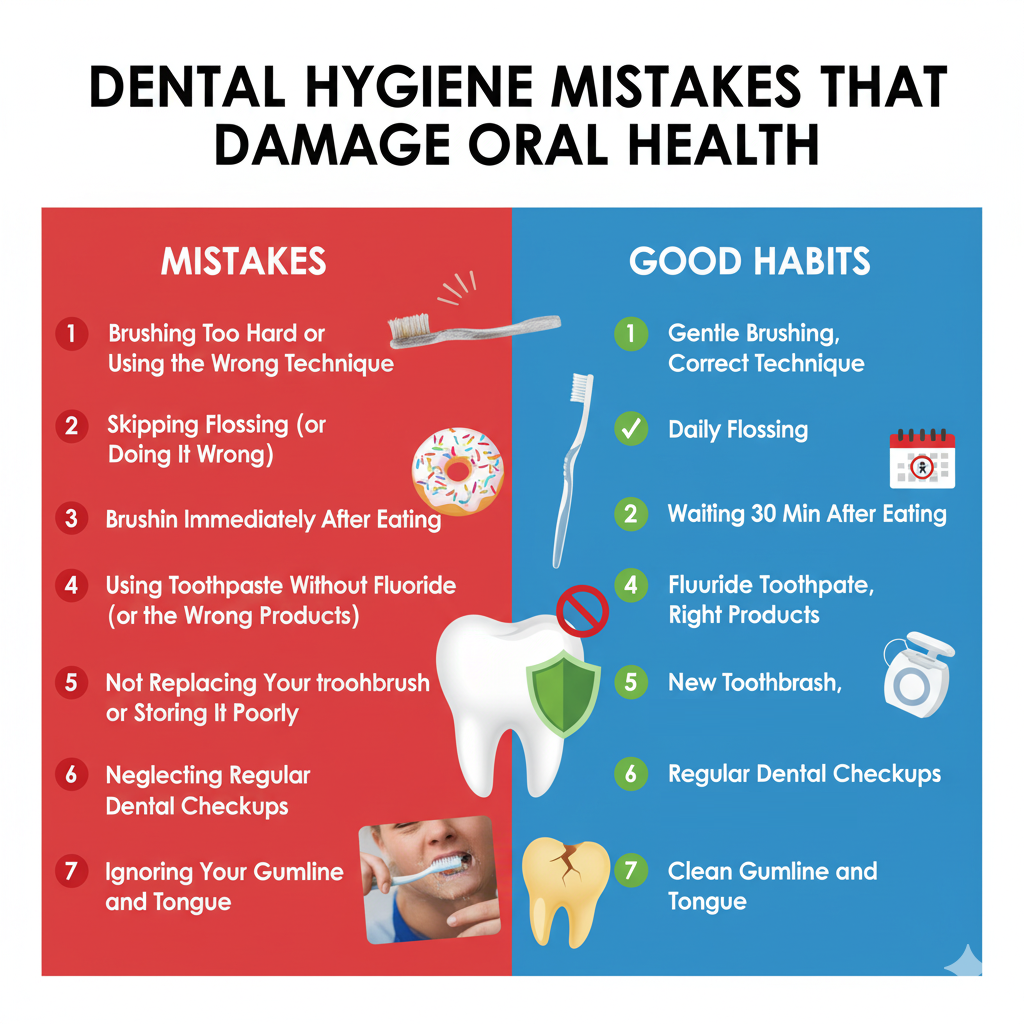
Many people believe that applying more pressure will remove more dirt from their teeth. This is one of the most common brushing teeth mistakes. Your teeth are strong, but your gums and enamel still need care. When you press too hard, the toothbrush bristles can bend and scrub the gum line harshly. Over time, this may contribute to gum recession, enamel wear and tooth sensitivity.
A better habit is to hold the toothbrush lightly, almost like holding a pen. Let the bristles touch the teeth and gums without force. If you use an electric toothbrush, you do not need to scrub. Simply guide the brush slowly across each tooth and allow the brush movement to do the cleaning.
If your toothbrush bristles become flat or spread out within a few weeks, that may be a sign that you are brushing too hard. A toothbrush should clean gently, not scrape aggressively.
Mistake 2: Using a Harsh Side-to-Side Motion
Another common mistake is brushing in a fast horizontal “sawing” motion. This back-and-forth scrubbing may feel effective, but it can be rough on the gum line. Dentists often warn that aggressive horizontal brushing may contribute to enamel wear near the gums and gum recession. The Indian Express article also highlighted expert advice against harsh horizontal brushing and suggested gentler brushing movements.
The better method is to use small, gentle strokes or circular motions. The ADA recommends placing the toothbrush at a 45-degree angle to the gums and gently cleaning the outer, inner and chewing surfaces of the teeth.
The goal is not speed. The goal is coverage. Slow brushing helps you clean the front teeth, back teeth, chewing surfaces, inner surfaces and gum line properly.
Mistake 3: Rinsing Immediately After Brushing
Many people brush their teeth and then rinse their mouth fully with water. It feels clean, but it may reduce the protective benefit of toothpaste. The NHS advises people to spit out excess toothpaste after brushing instead of rinsing immediately, because rinsing can wash away concentrated fluoride from the remaining toothpaste and reduce its preventive effect.
Fluoride toothpaste helps strengthen enamel and protect against tooth decay. If you rinse right after brushing, the fluoride does not get enough time to stay on the teeth. A simple habit change can help: after brushing, spit out the extra foam and avoid rinsing with water immediately.
Some people use nano-hydroxyapatite toothpaste, while many dental organizations continue to recommend fluoride toothpaste for cavity prevention. The best choice depends on your teeth, age, cavity risk, sensitivity and dentist’s advice.
Mistake 4: Using Medium or Hard Bristles
A toothbrush should not feel like a scrubbing brush. Medium and hard bristles can be too harsh for daily brushing, especially around the gum line. The Indian Express article noted expert concern that medium or hard bristles may damage enamel and oral tissues if used roughly.
For most people, a soft-bristled toothbrush is the safest choice. Soft bristles can clean effectively when used with the right technique. They are also gentler on sensitive gums and exposed roots.
If you already have tooth sensitivity, gum bleeding, braces, dental crowns or receding gums, speak to your dentist before choosing a brush. Some people may benefit from an ultra-soft toothbrush or a specific brush head designed for sensitive teeth.
Mistake 5: Not Replacing Your Toothbrush on Time
An old toothbrush cannot clean properly. When bristles become bent, rough or frayed, they lose their shape and cleaning ability. They may also irritate gums. The ADA recommends replacing your toothbrush every three or four months, or sooner if the bristles are frayed.
Some dentists suggest changing toothbrushes even earlier if the bristles wear out quickly, if you have been sick, or if the brush starts looking dirty. A simple way to remember is to replace your toothbrush at the start of every season.
If you use an electric toothbrush, replace the brush head regularly. Do not wait until the bristles look completely destroyed. By that time, the cleaning quality may already be poor.
Mistake 6: Brushing for Less Than Two Minutes
Many people brush for only 30 to 45 seconds without realizing it. The mouth has many surfaces to clean, and rushing makes it easy to miss plaque. Dental guidance commonly recommends brushing for two minutes, twice a day, with fluoride toothpaste.
You can divide your mouth into four sections: upper right, upper left, lower right and lower left. Spend about 30 seconds on each section. This makes the routine easier and ensures that every area gets attention.
If you get bored while brushing, use a two-minute timer, electric toothbrush timer or a short song. The aim is not to brush harder but to brush long enough and evenly.
Mistake 7: Ignoring the Gum Line and Back Teeth
The back teeth and gum line are common hiding places for plaque. Many people focus only on the visible front teeth because those affect the smile. But cavities and gum problems often begin in areas that are harder to reach.
When brushing, clean the outer surfaces, inner surfaces and chewing surfaces. Pay attention to the molars, the area behind the last teeth and the line where teeth meet the gums. Also brush your tongue gently because bacteria on the tongue can contribute to bad breath.
A small brush head may help you reach the back of the mouth more easily. If you have wisdom teeth, braces, retainers or crowded teeth, ask your dentist about special cleaning tools.
Mistake 8: Skipping Flossing and Interdental Cleaning
Brushing alone does not clean between teeth completely. Food particles and plaque can remain in the tight spaces where toothbrush bristles cannot reach. Over time, this can lead to cavities between teeth, gum irritation and bad breath.
The ADA’s home oral care guidance recommends cleaning between teeth daily along with brushing twice a day and seeing a dentist regularly.
You can use dental floss, floss picks, interdental brushes or a water flosser depending on your comfort and dental needs. The best method is the one you can do consistently and correctly. If your gums bleed when you start flossing, do not panic immediately. Bleeding may happen when gums are inflamed, but if it continues, visit a dentist.
Mistake 9: Avoiding Regular Dental Cleanings
Many people visit a dentist only when they have pain. But preventive dental care is important because some problems start silently. Tartar, early gum disease, small cavities and enamel wear may not always cause pain in the beginning.
Professional cleanings can remove tartar that normal brushing cannot remove at home. Regular dental checkups also help identify problems early, when treatment may be simpler and less expensive.
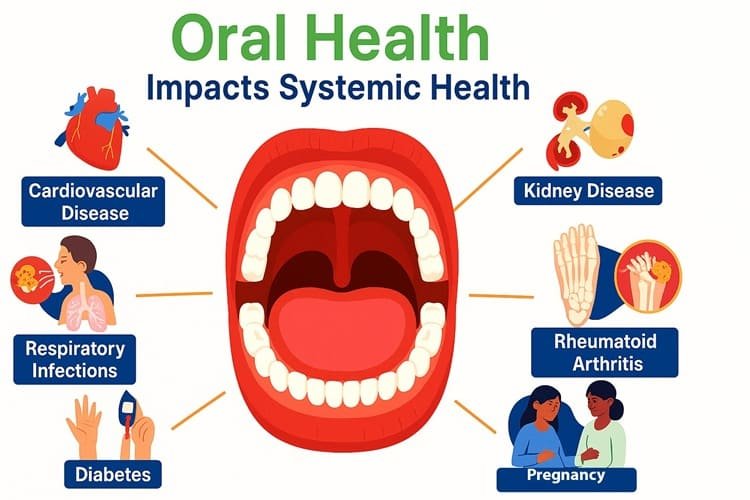
Oral health is also connected with overall health. Mayo Clinic notes that poor oral hygiene can allow germs to reach levels that may lead to tooth decay and gum disease, and oral inflammation has been linked with periodontitis and broader health concerns.
This does not mean brushing alone can prevent every health issue. But it does show that oral care is not only about appearance. A healthy mouth supports eating, speaking, confidence and quality of life.
Correct Brushing Routine for Healthy Teeth
A simple daily dental hygiene routine can make a big difference. Brush twice a day with a soft-bristled toothbrush and fluoride toothpaste. Brush for two minutes and clean every surface of your teeth. Use gentle circular or short strokes instead of harsh scrubbing. Hold the brush at an angle near the gum line, but do not press too hard.
After brushing, spit out excess toothpaste and avoid rinsing immediately with water. Replace your toothbrush every three or four months, or sooner if the bristles are damaged. Clean between your teeth once daily using floss or another interdental cleaning tool. Limit frequent sugary snacks and drinks because sugar supports acid-producing bacteria in plaque. Visit your dentist regularly for personalized advice, cleaning and early detection of problems.
If you already have sensitivity, bleeding gums, loose teeth, bad breath that does not go away, mouth ulcers or pain while chewing, do not rely only on home remedies. These symptoms may need professional dental care.
Final Thoughts
Brushing your teeth is a small habit, but the way you brush matters a lot. Most oral health problems do not appear overnight. Cavities, sensitivity, gum recession and bad breath often build slowly because of repeated daily mistakes.
The biggest brushing teeth mistakes are brushing too hard, using a rough side-to-side motion, rinsing immediately after brushing, using hard bristles, keeping an old toothbrush, brushing too quickly, ignoring the gum line, skipping flossing and avoiding dental visits. The solution is simple: brush gently, brush long enough, use a soft toothbrush, let toothpaste stay on your teeth, floss daily and see your dentist regularly.
A healthy smile is not created by force. It is created by the right routine, repeated every day with care.