



Short Overview
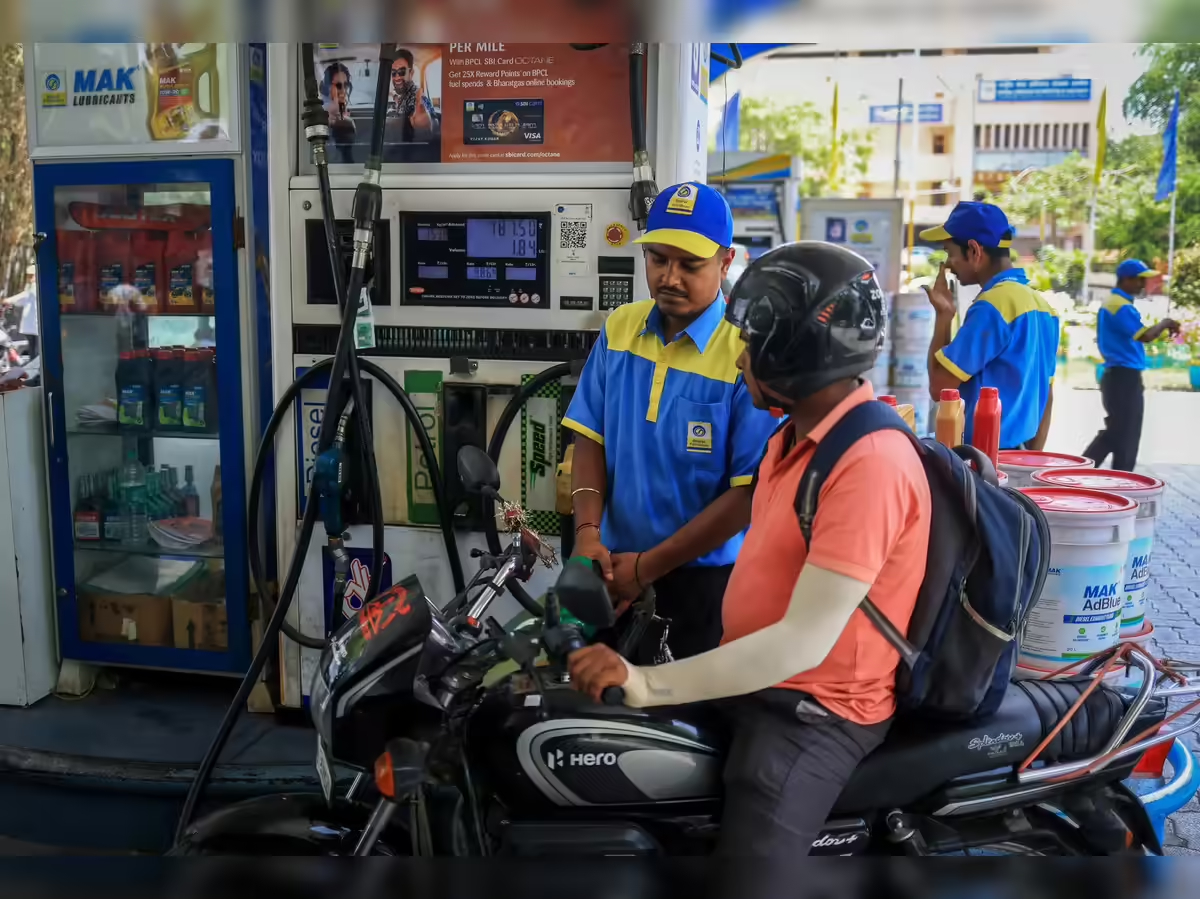
India has decided to remove restrictions on the sale of petrol and diesel from July 1, marking a major shift in fuel distribution policy. The decision reflects improved supply stability and easing pressure on the fuel distribution system. This move is expected to normalize availability across retail outlets and support smoother transportation and business operations.
India has officially lifted petrol and diesel sale restrictions starting July 1 after a noticeable improvement in fuel supply conditions across the country. The decision comes as supply concerns reduce and distribution networks stabilize, allowing smoother availability of petroleum products. This policy change is expected to improve fuel accessibility for consumers, transport operators, and businesses that depend heavily on uninterrupted fuel supply. In this detailed article, we explain what this change means, why the government took this step, how it impacts fuel pricing, and what consumers should expect in the coming weeks. We also break down the broader economic and supply chain effects in simple, easy-to-understand language for everyday readers.
1. Introduction: What has changed from July 1
From July 1 onwards, petrol and diesel sales in India are no longer under the earlier imposed restrictions. This means fuel stations across the country can operate with normal supply levels without limitations that were previously introduced due to supply concerns. The decision marks a return to regular fuel distribution, ensuring smoother access for consumers and commercial users.
This change comes after a period where fuel availability was carefully managed to avoid shortages and maintain balance in the market
2. Why petrol and diesel restrictions were imposed earlier
Earlier restrictions were introduced as a precautionary step when supply conditions were uncertain. Factors such as global crude price fluctuations, logistics pressure, and uneven distribution created challenges in maintaining consistent fuel availability.
During that period, authorities had to ensure that essential sectors such as transportation, agriculture, and emergency services did not face shortages. Restrictions helped in controlling demand and stabilizing distribution across regions.
3. Reasons behind lifting the restrictions
The government’s decision to remove restrictions is based on improved supply conditions. The situation has stabilized due to better crude procurement planning, smoother refinery output, and improved logistics management across distribution networks.
Another key reason is the reduced pressure on fuel demand imbalance. With supply chains now functioning more efficiently, the earlier risk of shortage has significantly declined.
This improvement has allowed authorities to return to normal fuel operations.
4. How this decision impacts consumers
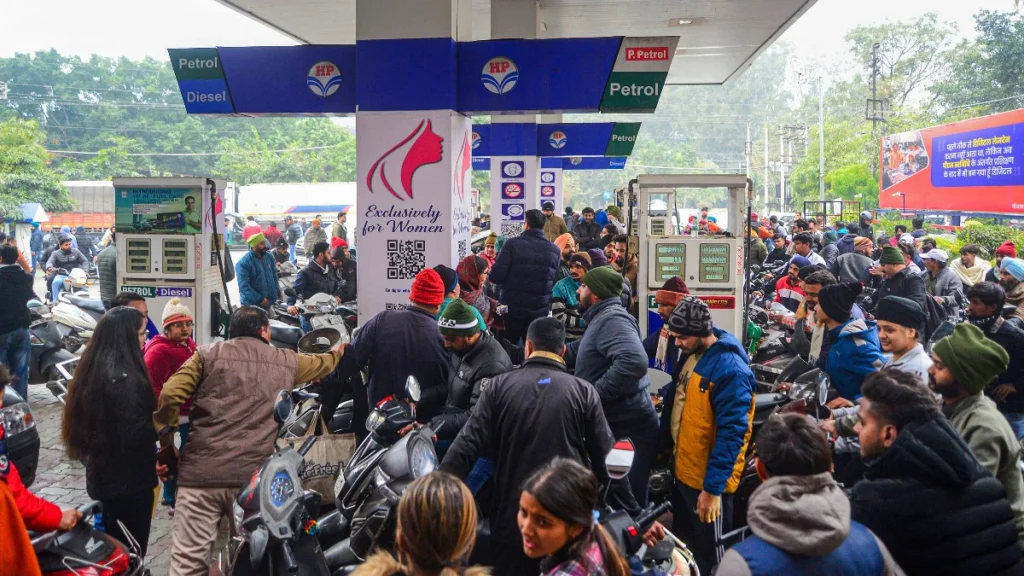
For everyday consumers, this change brings relief and convenience. Petrol and diesel will now be available without controlled limitations, reducing the chances of long queues or restricted availability at fuel stations.
Vehicle owners, especially those who travel long distances, will benefit from improved accessibility. Rural and semi-urban areas are also expected to experience better supply consistency.
In simple terms, fuel availability becomes more predictable and stress-free for users.
5. Effect on fuel prices and supply chain
While the restriction removal improves availability, fuel prices will still depend on global crude oil trends and taxation policies. However, stable supply conditions can reduce sudden disruptions in pricing caused by shortages.
Supply chain efficiency is also expected to improve. Oil companies can now distribute fuel more evenly without needing to prioritize restricted zones, ensuring smoother logistics and reduced operational bottlenecks.
6. Impact on transport and businesses
Transport industries are among the biggest beneficiaries of this change. Truck operators, logistics companies, delivery services, and public transportation systems rely heavily on uninterrupted fuel access.
With restrictions lifted, operational delays caused by fuel unavailability are expected to reduce significantly. Businesses that depend on transportation can plan better and reduce downtime.
This also indirectly supports supply chain efficiency for retail, manufacturing, and agriculture sectors.
7. Government’s broader energy strategy
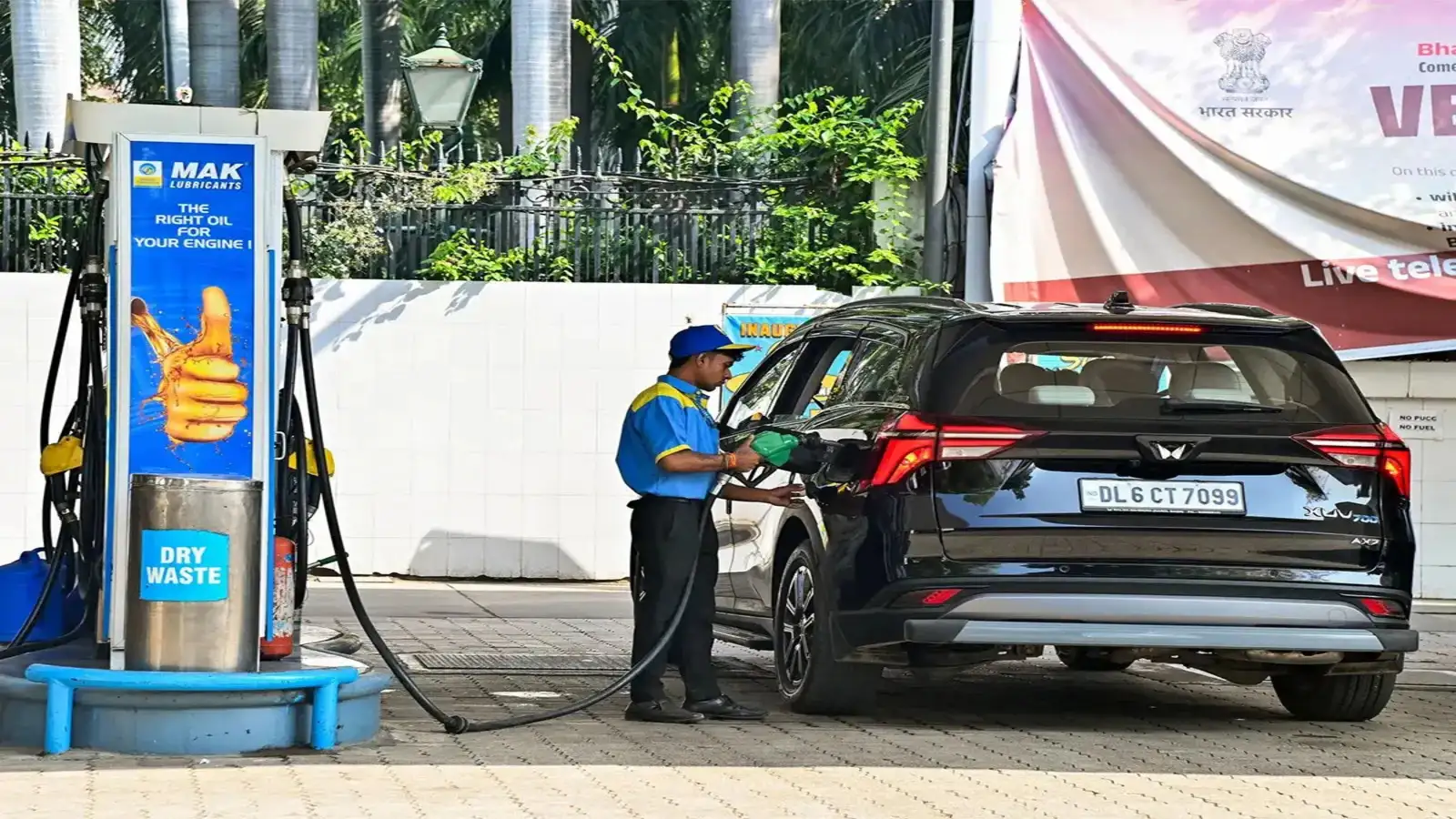
This decision also reflects a broader strategy to maintain balance between energy security and market stability. India continues to diversify its energy sources, improve refinery capacity, and strengthen fuel storage systems.
The focus remains on ensuring long-term stability rather than short-term control measures.
8. Future outlook of fuel distribution in India
Going forward, India’s fuel distribution system is expected to become more resilient. Investments in logistics, digital monitoring of supply chains, and improved forecasting tools will play a key role.
However, global oil price fluctuations will continue to influence domestic markets. This means occasional adjustments may still happen in the future, but large-scale restrictions like earlier are less likely unless extreme conditions arise.
9. Conclusion
The lifting of petrol and diesel sale restrictions from July 1 is a positive development for both consumers and businesses. It signals improved stability in fuel supply and better coordination within the energy distribution system.
For everyday users, it simply means easier access, fewer disruptions, and a more reliable fuel supply experience. For the economy, it supports smoother transportation and strengthens supply chain efficiency.
Overall, this policy change reflects a shift toward stability and confidence in India’s energy management system.