




Introduction: The Global Protein Boom Explained
Protein has become one of the most discussed nutrients in the modern health and fitness world. From professional athletes to everyday fitness enthusiasts, more people are focusing on increasing their protein intake to support muscle growth, weight management, and overall wellness.
This growing interest has created a massive global protein boom. Protein supplements, especially whey protein, have become a regular part of many people’s daily routines. However, this increasing demand has created unexpected challenges for the industry.
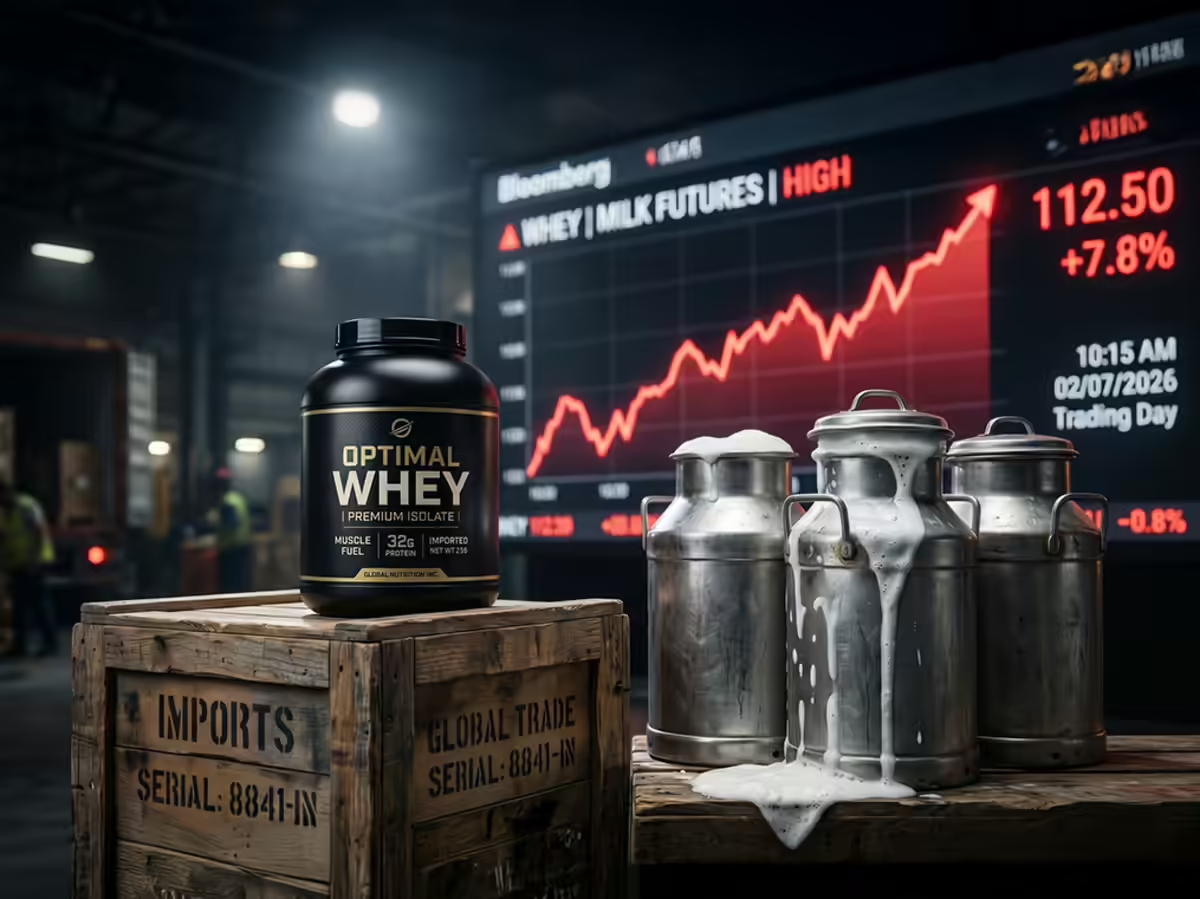
Recently, whey protein prices have increased significantly, with reports showing that prices have almost tripled in some markets. This sudden price jump has affected supplement companies, manufacturers, and consumers who depend on whey protein as an affordable source of nutrition.
The question many people are asking is simple: Why is whey protein becoming so expensive?
The answer involves multiple factors, including rising global demand, limited raw material availability, dairy industry changes, and supply chain pressure.
Why Are Whey Protein Prices Increasing So Quickly?
Whey protein is produced from milk during the cheese-making process. Although it may seem like a simple ingredient, producing high-quality whey protein requires advanced processing technology, strict quality control, and a stable dairy supply chain.
One of the biggest reasons behind the increase in whey protein prices is the imbalance between supply and demand.
Over the past few years, millions of people have started adopting healthier lifestyles. Gym memberships have increased, sports nutrition awareness has grown, and more consumers are looking for convenient protein sources.
This has created a situation where demand is growing faster than production capacity.
When demand rises significantly but supply cannot increase at the same speed, prices naturally move upward.
The global whey protein market has experienced this pressure as manufacturers struggle to meet increasing requirements from fitness companies, food manufacturers, and health-conscious consumers.

Global whey protein shortage and rising protein supplement production costs
The Growing Demand for Protein Supplements Worldwide
The popularity of protein supplements is no longer limited to professional bodybuilders.
Today, whey protein is consumed by:
- Fitness enthusiasts
- Busy professionals
- Athletes
- Weight management consumers
- Older adults focusing on healthy aging
Social media has also played an important role in increasing protein awareness. Fitness influencers, nutrition experts, and health creators frequently highlight the importance of daily protein intake.
This has introduced protein supplements to a much wider audience.
Countries that previously had smaller supplement markets are now experiencing rapid growth. Emerging markets in Asia, the Middle East, and Latin America are showing increasing demand for sports nutrition products.
As more consumers enter the market, pressure on whey protein supply continues to increase.
Supply Chain Problems Affecting Whey Production
Another major factor behind rising whey protein prices is disruption in the dairy supply chain.
Whey protein depends heavily on dairy production. Any changes affecting milk availability can directly influence whey supply.
Several challenges have impacted production:
Reduced Dairy Production
In some regions, dairy farmers have faced higher costs for animal feed, energy, and transportation. These increased operational expenses have affected milk production levels.
Since whey comes from milk processing, lower dairy output can reduce available whey protein ingredients.
Increased Manufacturing Costs
Producing premium whey protein requires filtration, drying, testing, and packaging processes.
Energy costs, labor expenses, transportation charges, and manufacturing investments have all increased, contributing to higher final prices.
Global Trade Challenges
International trade restrictions, shipping delays, and changing regulations have created additional pressure on the protein supplement supply chain.
Companies importing whey ingredients have experienced higher costs, which eventually reach consumers.
How Fitness Culture Changed Protein Consumption
The fitness industry has changed dramatically over the last decade.
Previously, protein supplements were mainly associated with professional athletes and bodybuilding communities.
Today, protein has entered mainstream wellness culture.
People are now more aware that protein supports:
- Muscle repair
- Healthy metabolism
- Weight management
- Recovery after exercise
- Maintaining strength with age
This shift has created a new generation of consumers who regularly purchase protein products.
The rise of gym culture, home workouts, wearable fitness technology, and health tracking apps has further accelerated protein demand.
The modern consumer is not only looking for calories but also functional nutrition.
Impact of Rising Whey Protein Prices on Consumers and Brands
The increase in whey protein prices has created challenges across the entire supplement industry.
For consumers, the biggest impact is higher product prices.
Many popular whey protein brands have increased their prices due to rising ingredient costs. Customers who regularly purchase supplements are now spending more money to maintain the same routine.
For supplement companies, the situation is more complicated.
Brands must balance:
- Maintaining product quality
- Managing production costs
- Keeping customers satisfied
- Protecting profit margins
Smaller supplement companies may face greater difficulties because they have less purchasing power compared to large global brands.
Some companies are exploring new formulations, smaller packaging sizes, and alternative protein sources to manage increasing costs.
Are There Alternatives to Whey Protein?
Although whey protein remains one of the most popular protein sources, rising prices are encouraging consumers and companies to explore alternatives.
Some popular options include:
Plant-Based Protein
Protein sources such as pea protein, rice protein, soy protein, and hemp protein are becoming increasingly popular.
Plant-based proteins appeal to consumers who prefer dairy-free options or follow vegan lifestyles.
Casein Protein
Casein is another milk-derived protein that digests more slowly compared to whey. It is often used as a nighttime protein supplement.
Natural Food Sources
Many people are returning to traditional protein-rich foods, including:
- Eggs
- Chicken
- Fish
- Dairy products
- Lentils
- Beans
- Nuts
A balanced diet can provide significant protein without depending completely on supplements.
The Future of the Global Sports Nutrition Market
Despite current challenges, the future of the sports nutrition industry remains strong.
The demand for protein is expected to continue growing as consumers become more focused on preventive health and active lifestyles.
Future trends may include:
Advanced Protein Technology
Companies are investing in improved protein extraction methods and new formulations to increase efficiency.
Personalized Nutrition
Technology is helping consumers choose nutrition products based on their individual goals, body composition, and lifestyle.
Sustainable Protein Sources
Environmental concerns are encouraging companies to explore sustainable protein alternatives.
Functional Nutrition Growth
Consumers are increasingly looking for products that provide additional benefits beyond basic nutrition, such as immunity support, energy improvement, and healthy aging.
Tips for Choosing Protein Supplements During Price Inflation
When whey protein prices increase, consumers should focus on value instead of only looking at price.
Always check:
- Protein content per serving
- Ingredient quality
- Brand reputation
- Third-party testing
- Customer reviews
Buying larger packages can sometimes reduce the cost per serving.
Consumers should also compare different protein sources instead of automatically choosing whey.
The best protein supplement is one that matches personal health goals, dietary preferences, and budget.
Conclusion: A New Era for the Protein Industry
The increase in whey protein prices is a result of a much larger global trend. The world is experiencing an unprecedented protein boom driven by fitness awareness, health consciousness, and changing lifestyles.
While supply challenges and rising production costs have created temporary difficulties, the long-term outlook for the protein supplement industry remains positive.
Consumers may experience higher prices, but innovation in nutrition technology and alternative protein sources will continue creating new opportunities.
The future of sports nutrition will likely be shaped by smarter production methods, sustainable ingredients, and personalized health solutions.
The protein industry is not slowing down. Instead, it is entering a new era where quality, innovation, and accessibility will define the next generation of nutrition products.