




Short Overview
India’s workforce is changing rapidly. Millions of people today work as freelancers, independent professionals, delivery partners, drivers, online sellers, and platform-based workers. However, many of them do not have access to traditional employee benefits such as Provident Fund (PF), pension support, and retirement savings.
The proposed expansion of EPFO benefits to self-employed and gig workers could become a major step toward creating a more inclusive social security system in India. This blog explains what the universal scheme could mean, who may benefit, and how it can transform financial security for millions of workers.
The government is considering expanding EPFO benefits to self-employed professionals and gig workers under a universal social security scheme. Learn how this move can provide retirement security, financial stability, and employee benefits to millions of independent workers in India. Understand the possible impact on delivery partners, freelancers, platform workers, and small entrepreneurs, along with how India’s employment landscape is changing with new social security reforms.
Introduction: India’s Employment Landscape Is Changing
The way people work in India has changed significantly over the last few years. Earlier, most employees depended on traditional jobs in companies, factories, offices, and government organizations. These jobs usually provided benefits such as Provident Fund contributions, pensions, health insurance, and retirement security.
Today, a large section of India’s workforce operates differently. Freelancers, online sellers, delivery executives, app-based drivers, consultants, independent professionals, and other self-employed individuals are becoming an important part of the economy.
While these workers enjoy flexibility and independence, many of them do not have access to long-term financial protection. Unlike salaried employees, they often lack structured retirement savings and social security benefits.
To address this gap, discussions around expanding Employees’ Provident Fund Organisation (EPFO) benefits to self-employed and gig workers have gained attention. A universal social security system could help millions of workers build financial stability for the future.
What Is EPFO and Why Is It Important?
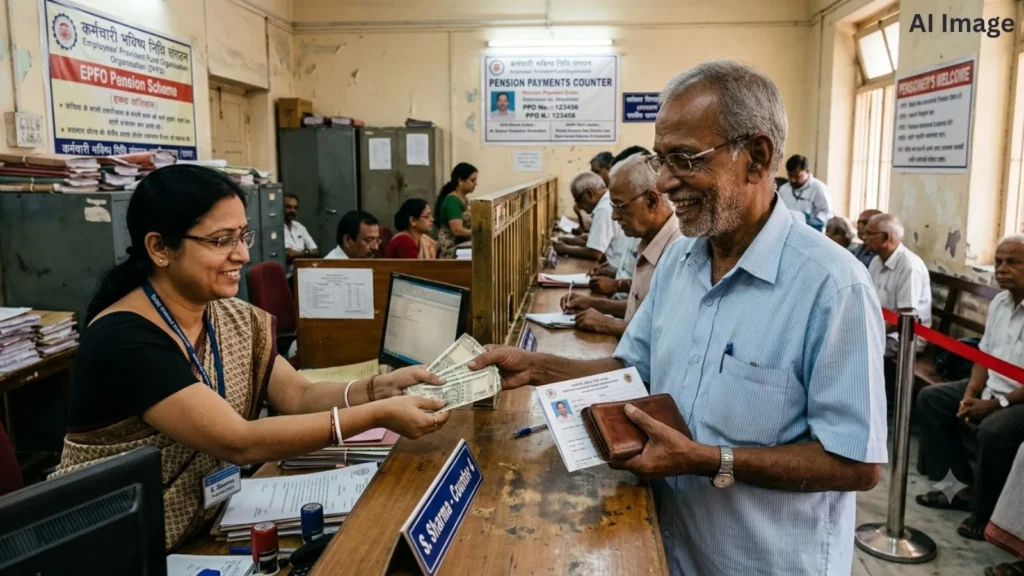
The Employees’ Provident Fund Organisation (EPFO) is one of India’s largest social security organizations. It manages provident fund accounts that help employees save money for retirement.
Under the existing system, eligible employees and employers contribute a fixed percentage of salary toward the Provident Fund account. Over time, these savings grow with interest and provide financial support after retirement or during emergencies.
For many salaried workers, EPFO is not just a savings account. It represents security, discipline, and financial independence after years of employment.
However, the current structure mainly focuses on formal sector employees. Many workers outside traditional employment systems remain excluded.
Why Gig Workers and Self-Employed Professionals Need Social Security
These workers contribute significantly to economic growth, but their income patterns are often unpredictable.
A delivery partner may earn differently every month. A freelancer may have multiple clients but no guaranteed income. A small business owner may manage daily expenses without a structured retirement plan.
Without social security benefits, these workers face several challenges:
- Lack of retirement savings
- Financial stress during emergencies
- Limited access to employee welfare programs
- Uncertainty after loss of income
A universal PF system could provide a safety net for these workers and help them plan their future better.
Government’s Possible Plan to Expand PF Benefits
The idea behind expanding EPFO benefits is to create a wider social security network that covers workers beyond traditional employment.
Under a universal scheme, self-employed individuals and gig workers may get an opportunity to contribute toward retirement savings similar to salaried employees.
Such a system could allow workers to make regular contributions based on their income capacity. The government and organizations may explore different methods to encourage participation.
The objective is simple: every worker, regardless of employment type, should have access to financial protection.
How a Universal PF Scheme Can Benefit Workers
A broader EPFO coverage system can bring several advantages for India’s independent workforce.
1. Better Retirement Planning
Many self-employed workers focus on daily earnings and business expenses but often ignore retirement planning.
A structured provident fund system can encourage regular savings and create long-term financial security.
2. Financial Support During Difficult Times
Savings accumulated through PF contributions can help workers during emergencies such as medical situations, temporary unemployment, or family responsibilities.
3. Improved Worker Confidence
When workers feel financially protected, they can focus more on improving their skills and increasing productivity.
4. Recognition of Gig Workers
Gig workers are becoming an essential part of India’s economy. Providing social security benefits would recognize their contribution and improve their working conditions.
Impact on India’s Growing Gig Economy
The gig economy is expected to play an increasingly important role in India’s employment ecosystem.
Technology has created new opportunities for people to earn through digital platforms. Many young professionals prefer flexible working arrangements instead of traditional jobs.
However, flexibility should not come at the cost of financial insecurity.
A universal PF system can create a balance between independence and protection.
It can encourage more people to participate in digital employment opportunities while ensuring they have access to long-term benefits.
Challenges in Implementing Universal PF Benefits
Although the idea has significant potential, implementation may not be simple.
One major challenge is determining how contributions will be collected from workers with irregular incomes.
Unlike salaried employees, self-employed individuals may not receive fixed monthly salaries.
Another challenge is creating awareness. Many independent workers may not understand the importance of retirement savings or social security programs.
Technology will play a crucial role in making registration, contribution payments, and account management simple and accessible.
How This Reform Can Support India’s Economic Growth
A financially secure workforce contributes to stronger economic development.
When workers have savings and protection, they are more likely to invest, spend confidently, and participate actively in the economy.
Social security reforms can also improve the quality of employment by ensuring that economic growth benefits workers across different sectors.
A universal PF system represents a shift from traditional employment-based benefits toward a more inclusive worker protection model.
Conclusion
The possible expansion of EPFO benefits to self-employed and gig workers could mark a significant change in India’s social security system.
As the workforce becomes more flexible and technology-driven, traditional employment models are evolving. Millions of workers now contribute to the economy without having access to conventional employee benefits.
A universal PF scheme can bridge this gap by providing retirement security, encouraging savings, and improving financial confidence among independent workers.
The success of such a program will depend on simple implementation, easy access, and strong awareness among workers.
If successfully introduced, this reform could become an important milestone in building a financially secure workforce for the future.