




Overview
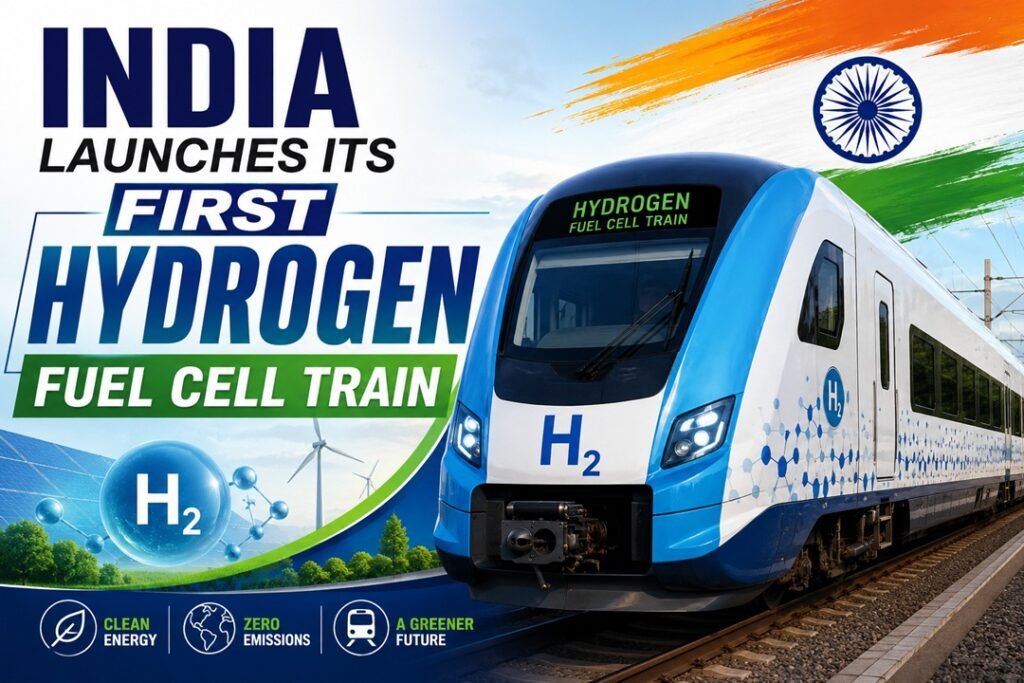
India is moving toward a cleaner and more sustainable future with the introduction of hydrogen-powered train technology. The launch of the country’s first hydrogen train represents a significant milestone in green transportation and highlights India’s commitment to reducing carbon emissions. This innovative railway project combines advanced engineering, renewable energy solutions, and environmental responsibility. As countries worldwide focus on clean mobility, India’s hydrogen train initiative shows how modern technology can reshape public transportation while supporting long-term climate goals.
India Hydrogen Train Revolution: A New Beginning for Sustainable Rail Travel
Transportation plays a major role in economic growth, but it also contributes significantly to global carbon emissions. For decades, railway systems around the world have depended on diesel fuel and electricity generated from traditional energy sources. However, as climate change concerns continue to increase, countries are searching for cleaner alternatives.
India is now taking an important step toward sustainable transportation with the development of hydrogen-powered trains. This new technology represents a major shift in the railway sector because it offers a cleaner alternative with lower environmental impact.
The introduction of India’s hydrogen train project is not only about creating a new type of railway vehicle. It represents a larger vision of building a greener transportation network powered by advanced clean energy solutions.
Understanding Hydrogen-Powered Train Technology
A hydrogen-powered train is a railway vehicle that uses hydrogen fuel cells to generate electricity. Unlike traditional diesel trains, hydrogen trains do not burn fossil fuels. Instead, they use hydrogen and oxygen through a chemical reaction to produce electricity.
The biggest advantage of this technology is that the main by-product of the process is water vapor. This means hydrogen trains can significantly reduce harmful emissions compared to conventional diesel-powered trains.
Green hydrogen technology has gained attention worldwide because it provides a possible solution for industries that require large amounts of energy but are difficult to electrify completely.
Railways are one of the sectors where hydrogen technology can create major improvements, especially on routes where complete railway electrification is expensive or difficult.
India’s First Hydrogen Train Initiative
India’s hydrogen train project represents the country’s growing focus on clean energy transportation. Developed with domestic engineering capabilities, this initiative demonstrates India’s ability to create advanced railway solutions while supporting environmental goals.
The hydrogen train project in Haryana is considered an important achievement because it combines railway innovation with India’s renewable energy ambitions.
The project reflects the government’s broader vision of promoting green mobility, reducing dependence on fossil fuels, and creating sustainable infrastructure.
The development of hydrogen trains also supports India’s National Green Hydrogen Mission, which aims to increase hydrogen production and encourage its use across different industries.
Why Hydrogen Trains Matter for India
India has one of the largest railway networks in the world. Millions of passengers depend on trains every day for transportation, trade, and economic activities.
Because of this massive railway network, reducing emissions from trains can create a significant environmental impact.
Hydrogen-powered trains can help India achieve several important goals:
They can reduce carbon emissions from railway operations.
They can decrease dependence on diesel fuel.
They can encourage domestic clean energy innovation.
They can create new opportunities in hydrogen manufacturing and technology development.
They can support India’s commitment toward achieving climate targets.
The shift toward hydrogen trains is not simply a transportation upgrade. It is part of a larger movement toward a cleaner and more sustainable economy.
How Hydrogen Trains Work
The technology behind hydrogen trains is based on hydrogen fuel cells.
Inside the fuel cell, hydrogen reacts with oxygen from the air. This chemical reaction produces electricity that powers the train’s electric motors.
The process is different from diesel engines because there is no combustion of fuel. As a result, hydrogen trains produce much fewer emissions.
A typical hydrogen-powered train system includes:
Hydrogen storage tanks that safely store fuel.
Fuel cells that convert hydrogen into electricity.
Battery systems that manage energy supply.
Electric motors that move the train.
This advanced technology allows trains to operate efficiently while reducing environmental damage.
Environmental Benefits of Hydrogen Railways
One of the biggest reasons behind hydrogen train development is environmental protection.
Hydrogen trains offer a cleaner alternative because they produce minimal direct emissions.
The environmental benefits include:
Lower greenhouse gas emissions.
Cleaner air around railway routes.
Reduced fossil fuel consumption.
Support for renewable energy development.
Better long-term sustainability.
As India continues urban development and industrial expansion, clean transportation solutions will become increasingly important.
Economic Opportunities Created by Hydrogen Technology
Hydrogen trains can also create new economic opportunities.
The growth of the hydrogen sector can encourage investment in manufacturing, research, infrastructure development, and renewable energy production.
India has the potential to become a major player in the global green hydrogen market. The development of hydrogen-powered transportation can strengthen domestic industries and create skilled employment opportunities.
From hydrogen production facilities to railway technology manufacturing, this sector can support economic growth while protecting the environment.
Challenges Facing Hydrogen Train Development
Although hydrogen trains offer many benefits, there are still challenges that need to be addressed.
One major challenge is the cost of hydrogen production. Producing green hydrogen using renewable energy requires advanced infrastructure and significant investment.
Another challenge is building hydrogen refueling networks. Unlike diesel fuel stations, hydrogen infrastructure is still developing in many countries.

Safety management is also important because hydrogen requires specialized storage and handling systems.
However, continuous research and technological improvements are expected to reduce these challenges over time.
India’s Future With Green Hydrogen Transportation
India’s hydrogen train project shows the country’s commitment toward future-ready transportation.
As renewable energy capacity grows, hydrogen technology could become an important part of India’s transport ecosystem.
Future possibilities may include more hydrogen-powered trains on regional routes, improved hydrogen production systems, and greater integration between renewable energy and transportation networks.
The railway sector can become a major example of how technology and sustainability can work together.
Why Hydrogen Trains Could Change Indian Railways Forever
Indian Railways has always played an important role in connecting people and supporting economic development.
The introduction of hydrogen technology adds a new chapter to this history.
A cleaner railway system can improve air quality, reduce operating costs over time, and strengthen India’s position as a leader in sustainable innovation.
Hydrogen trains are not only about transportation. They represent progress, responsibility, and a commitment to future generations.
Conclusion
India’s hydrogen train initiative is a major step toward building a cleaner and more sustainable transportation future. By adopting green hydrogen technology, India is exploring new possibilities for reducing emissions and improving railway sustainability.
Although challenges such as infrastructure development and production costs remain, continued innovation can make hydrogen-powered transportation more practical and accessible.
The journey of hydrogen trains has just begun, but it represents a powerful vision of what the future of mobility can look like. With investment, research, and commitment, India can create a railway system that is not only efficient but also environmentally responsible.
The hydrogen train revolution is more than a technological achievement. It is a symbol of India’s movement toward a greener, cleaner, and smarter future.