

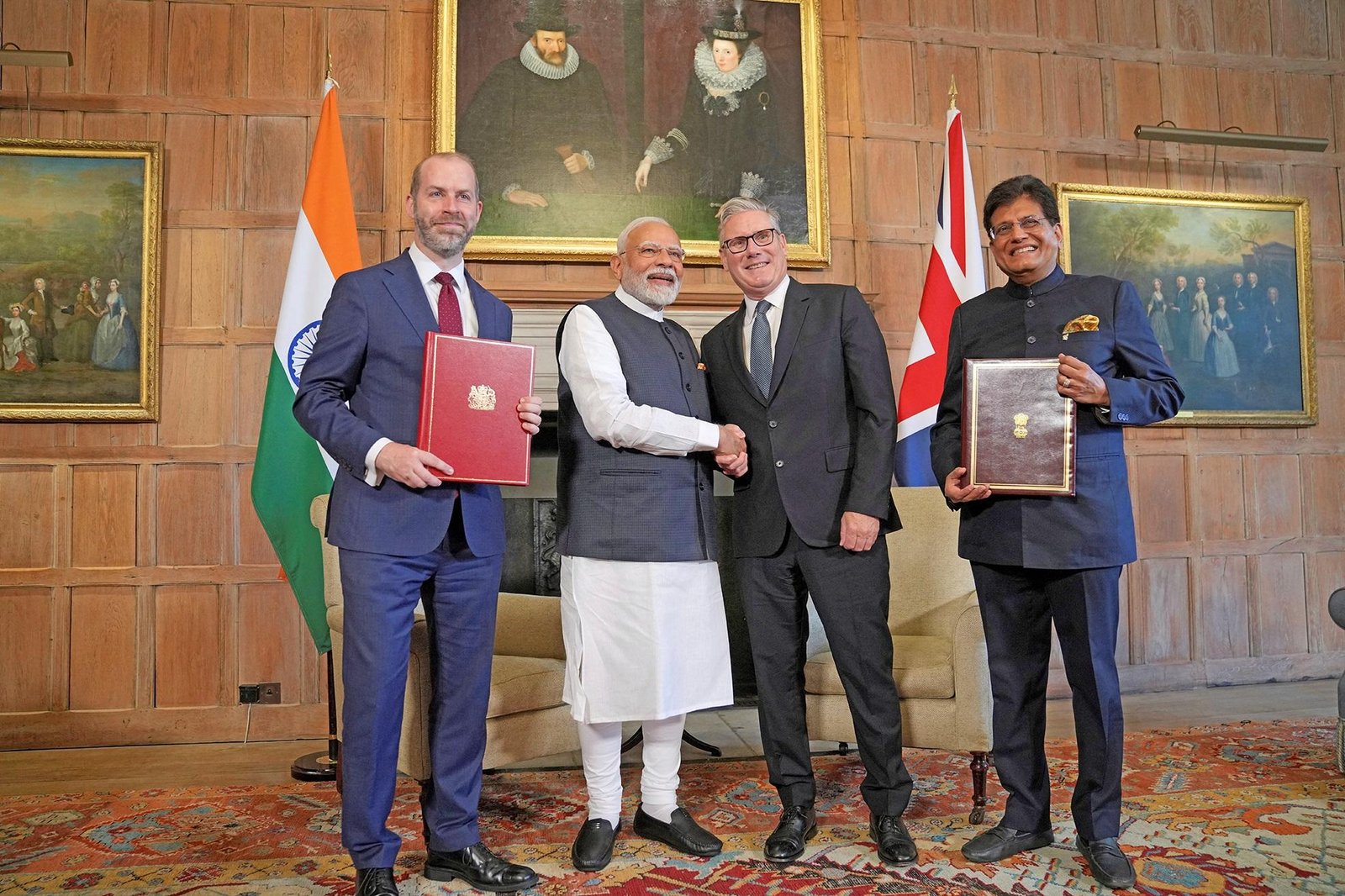


Short Overview
The India–UK Free Trade Agreement (FTA) is expected to become a major milestone in strengthening economic relations between both countries. With a target of increasing bilateral trade to $100 billion by 2030, industries such as engineering goods, textiles, automobiles, pharmaceuticals, and manufacturing are expected to gain new opportunities. This blog explains how the agreement can impact businesses, exports, employment, and India’s global trade position.
The India UK FTA is expected to transform bilateral trade by increasing opportunities for exporters, manufacturers, engineering companies, and textile industries. Learn how the free trade agreement can boost India UK trade, reduce barriers, create jobs, and strengthen economic partnerships by 2030. Discover the sectors likely to benefit most and understand the future impact of this historic trade agreement on India’s economy, businesses, and global market position.
Introduction: A New Era in India UK Trade Relations
India and the United Kingdom have shared a strong economic relationship for decades. However, both countries are now working toward creating a stronger and more modern trade partnership through the India UK Free Trade Agreement (FTA).
The agreement is expected to play an important role in expanding business opportunities, improving market access, and encouraging investment between the two nations. The ambitious goal of increasing bilateral trade to $100 billion by 2030 highlights the growing importance of India as a global manufacturing and export hub.
Industries including engineering products, textiles, automobiles, pharmaceuticals, food processing, and technology services are expected to benefit from easier trade conditions and improved access to international markets.
For Indian businesses, this agreement represents a chance to compete more effectively in the UK market. For the UK, India provides access to one of the world’s fastest-growing economies with a large consumer base and skilled workforce.
What Is the India UK Free Trade Agreement (FTA)?
A Free Trade Agreement is a partnership between countries that reduces trade barriers such as import duties, restrictions, and complicated procedures. The main purpose of an FTA is to make buying and selling goods and services between countries easier and more affordable.
The India UK FTA focuses on improving economic cooperation by creating better conditions for exporters, manufacturers, investors, and businesses from both countries.
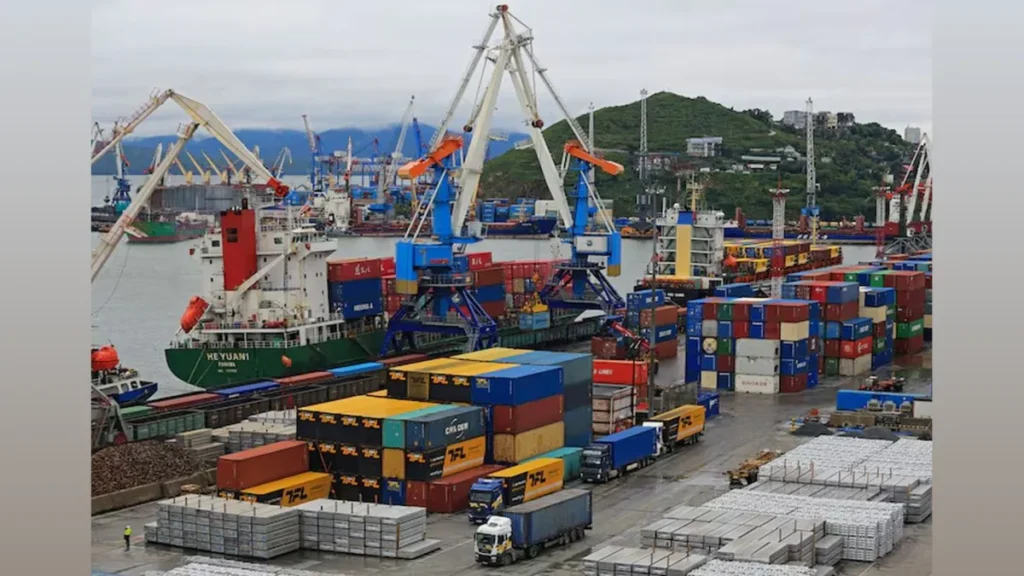
Under the agreement, several Indian products may receive improved access to the UK market. Similarly, British companies may find new opportunities in India’s growing economy.
The agreement is not only about reducing tariffs. It also focuses on strengthening supply chains, encouraging investments, supporting innovation, and creating long-term economic partnerships.
India UK FTA Target: $100 Billion Trade by 2030
The target of achieving $100 billion in bilateral trade by 2030 reflects the strong economic potential between India and the UK.
Currently, both countries already have significant trade relations, but experts believe there is substantial room for growth. Better market access and reduced trade barriers can help businesses increase exports and explore new opportunities.
India’s manufacturing capabilities, competitive workforce, and growing industrial ecosystem make it an attractive partner for global trade.
The UK, with its strong purchasing power and developed consumer market, offers Indian companies opportunities to expand their international presence.
This trade agreement can become a major driver for India’s export growth strategy and support the country’s goal of becoming a leading global manufacturing destination.
How Engineering Industries Will Benefit From India UK FTA
The engineering sector is expected to be one of the biggest beneficiaries of the India UK trade agreement.
India exports various engineering products including machinery, automobile components, industrial equipment, electrical products, and metal goods to international markets.
With improved trade conditions, Indian engineering companies may gain easier access to UK buyers and businesses.
Reduced duties can make Indian products more competitive compared to suppliers from other countries. This can help manufacturers increase export volumes and attract new business partnerships.
Small and medium-sized engineering companies may also benefit because they can explore international markets without facing heavy trade barriers.
The agreement can encourage companies to improve quality standards, adopt advanced technology, and build stronger global supply chains.
Textile Sector Expected To Gain Major Export Opportunities
India’s textile industry has always been one of the country’s most important export sectors.
The UK is a major global market for clothing, fabrics, and fashion products. The India UK FTA can create new possibilities for Indian textile manufacturers by improving their competitiveness.
Indian textile companies may benefit from:
- Better access to UK customers
- Lower trade costs
- Increased export demand
- More opportunities for small manufacturers
The textile industry also has strong employment potential, especially in rural and semi-urban areas. Increased exports can support workers involved in manufacturing, processing, designing, and supply chain activities.
The agreement could help Indian textile companies compete with other major textile-exporting countries.
Impact on Indian Manufacturers and Exporters
Indian manufacturers are increasingly focusing on expanding their presence in international markets.
Manufacturers producing automotive parts, machinery, chemicals, pharmaceutical products, and consumer goods could see increased opportunities.
However, businesses will need to focus on maintaining international quality standards. Global customers expect reliable products, competitive pricing, and sustainable manufacturing practices.
The agreement can create opportunities, but companies that invest in innovation and efficiency are likely to benefit the most.
How The Agreement Can Create Employment Opportunities
Trade growth often creates opportunities beyond exports.
When industries expand production to meet international demand, they require more workers, skilled professionals, logistics providers, and service companies.
Engineering and textile industries especially have strong employment potential because they involve large manufacturing networks.
The India UK FTA can indirectly support jobs in:
- Manufacturing
- Transportation
- Packaging
- Supply chain management
- Technology services
- Export businesses
For India’s young workforce, stronger industrial growth can create more career opportunities across different sectors.
Benefits for Consumers and Businesses
Trade agreements can also benefit ordinary consumers.
When businesses have easier access to international markets, competition increases. This can encourage companies to improve product quality and offer better prices.
Indian consumers may benefit from greater availability of international products, while UK consumers may gain access to a wider range of Indian goods.
Businesses from both countries can explore partnerships, investments, and collaborations that create long-term economic value.

Challenges and Areas That Need Attention
Although the India UK FTA offers significant opportunities, successful implementation will require careful planning.
Indian businesses may face challenges related to:
- International quality requirements
- Competition from global companies
- Supply chain improvements
- Compliance standards
Small businesses may need support and guidance to take advantage of new export opportunities.
Government policies, industry cooperation, and investment in infrastructure will play an important role in maximizing the benefits of the agreement.
Future Outlook of India UK Economic Partnership
The India UK Free Trade Agreement represents more than just a trade deal. It reflects a broader economic partnership between two important global economies.
As businesses continue to expand internationally, stronger trade relationships can help India increase exports, attract investments, and strengthen its position in global markets.
Engineering, textiles, manufacturing, and technology sectors are likely to remain key growth areas.
If implemented effectively, the agreement could become a major milestone in India’s journey toward becoming a global economic powerhouse.
Conclusion
The India UK FTA has the potential to reshape the future of bilateral trade between both countries. The goal of achieving $100 billion trade by 2030 shows the growing economic importance of this partnership.
Engineering and textile industries are expected to become major beneficiaries, while manufacturers and exporters may gain new opportunities in the UK market.
However, businesses must focus on quality, innovation, and global competitiveness to fully benefit from the agreement.
With the right implementation and industry participation, the India UK Free Trade Agreement can become a powerful engine for economic growth, exports, and job creation.